

A travel adapter can change the plug shape without changing the electrical supply. Before using an appliance abroad, check its accepted voltage and frequency as well as connector fit. A charger designed for a broad input range is a different case from a heater or motor intended for one supply system.
Read the input label on the part connected to mains
For a device with an external power adapter, the adapter input specification is the relevant mains requirement. Its output voltage describes the device side and answers another question. A label such as 100–240V AC, 50/60Hz indicates a supported input range under the product conditions. Do not assume every charger has that capability or copy it from another model. If the label is unreadable or incomplete, use the exact manufacturer documentation before connecting it.
A shape adapter does not normally transform voltage
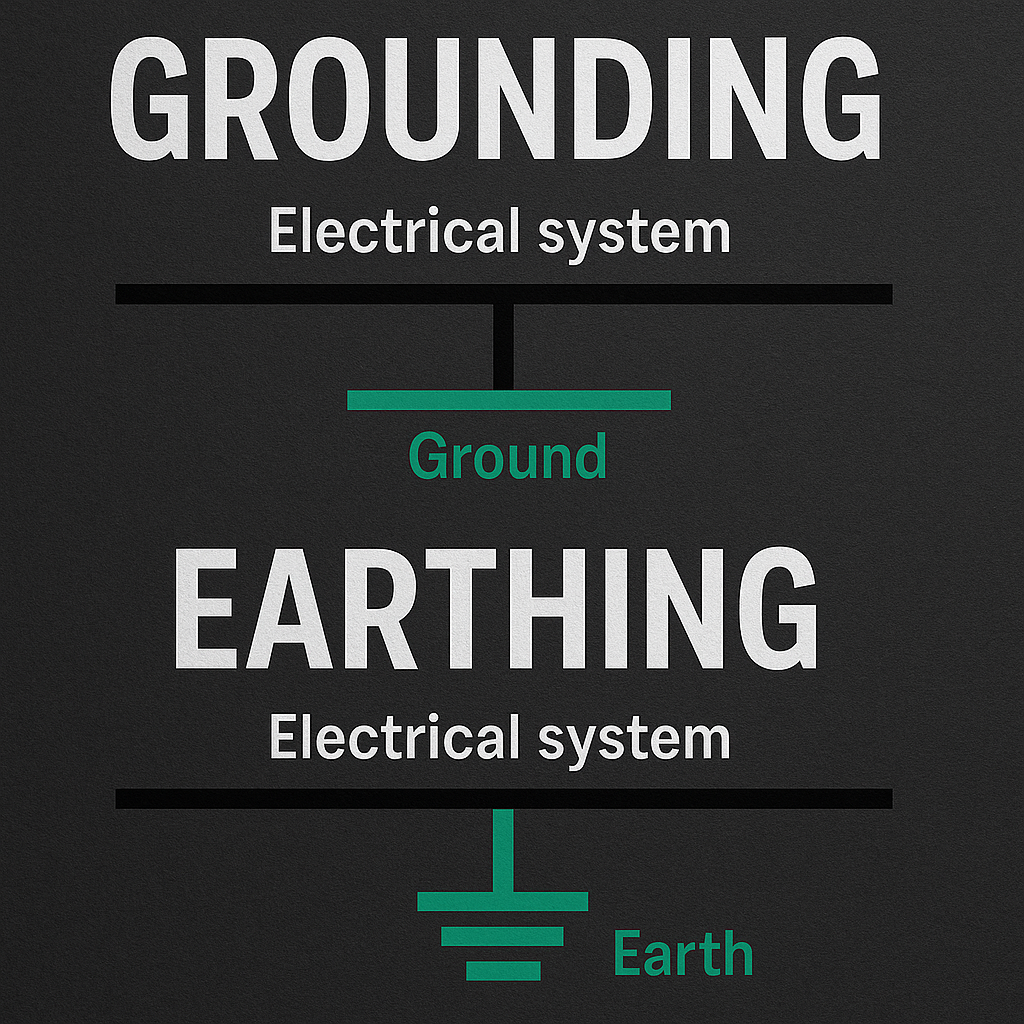
A passive travel plug adapter primarily changes the mechanical connection. It must still have suitable voltage, current, grounding, and product approvals for the application. Making the pins fit does not turn a 230V supply into 120V. Do not defeat a protective earth connection to use an adapter with fewer contacts. A loose, damaged, or poorly fitting connection is another problem that a correct nominal voltage cannot solve. Use the complete arrangement supported by the appliance and adapter manufacturers.
A resistive example shows why voltage mismatch matters
For an ideal fixed resistance, power equals voltage squared divided by resistance. If that same resistance were supplied with twice its intended voltage, the ideal power would increase fourfold. Real appliances can have controls and protection, so this is not a prediction of their exact failure sequence. It demonstrates why trying a single-voltage heating appliance on a much higher supply is not a harmless experiment. A plug adapter cannot remove that electrical mismatch.
Frequency can matter even when voltage is converted
Some motors, transformers, timing mechanisms, and controls depend on supply frequency. A voltage transformer does not inherently convert 50Hz into 60Hz or the reverse. Other electronic products explicitly accept both. Check the complete rating and manufacturer travel guidance instead of assuming that voltage correction settles everything. A converter or transformer also needs to suit the load type, continuous demand, starting behavior, and operating duration. A large printed watt number on a travel accessory is not enough information by itself.
Use the simplest documented compatible arrangement
If the supplied charger accepts the destination supply, an appropriate approved plug connection may be all it needs. A dual-voltage appliance may require a specified selector setting before connection and may have mode restrictions. For equipment that is not compatible, a suitable local alternative can be more practical than an uncertain converter arrangement. Do not experiment with stacked adapters or unknown voltage switches. Confirm the destination supply from reliable current information and the equipment requirements from its own documentation.
What to check before you act
- Read mains input voltage and frequency on the exact appliance or adapter.
- Keep output voltage and plug shape separate from mains compatibility.
- Preserve required grounding and suitable connector ratings.
- Use manufacturer-supported conversion or a compatible local appliance when needed.
Common questions
Does 100–240V automatically mean every travel adapter is suitable?
No. The mechanical connection, current rating, grounding, and intended use of the adapter still matter.
Will a step-down transformer always fix a frequency mismatch?
No. Ordinary voltage transformation does not change frequency. The appliance must support the resulting supply.
The practical takeaway
A travel connection needs mechanical and electrical compatibility together. Check voltage, frequency, grounding, and load requirements before treating a fitting plug as evidence that the appliance is ready to use.
References and further reading
- Apple: Example broad-range USB power-adapter input specifications
- Conair: Model-specific travel and voltage instructions
Numerical scenarios are illustrative unless identified otherwise. Follow the exact product instructions; component ratings and local installation requirements can differ.