
Wire color helps identify a conductor, but it does not prove how that conductor is connected or whether it is safe to touch. Color systems vary across applications and regions, and installations can contain errors or modifications. Documentation and proper verification must establish function before electrical work begins.
Identification rules give colors useful meaning
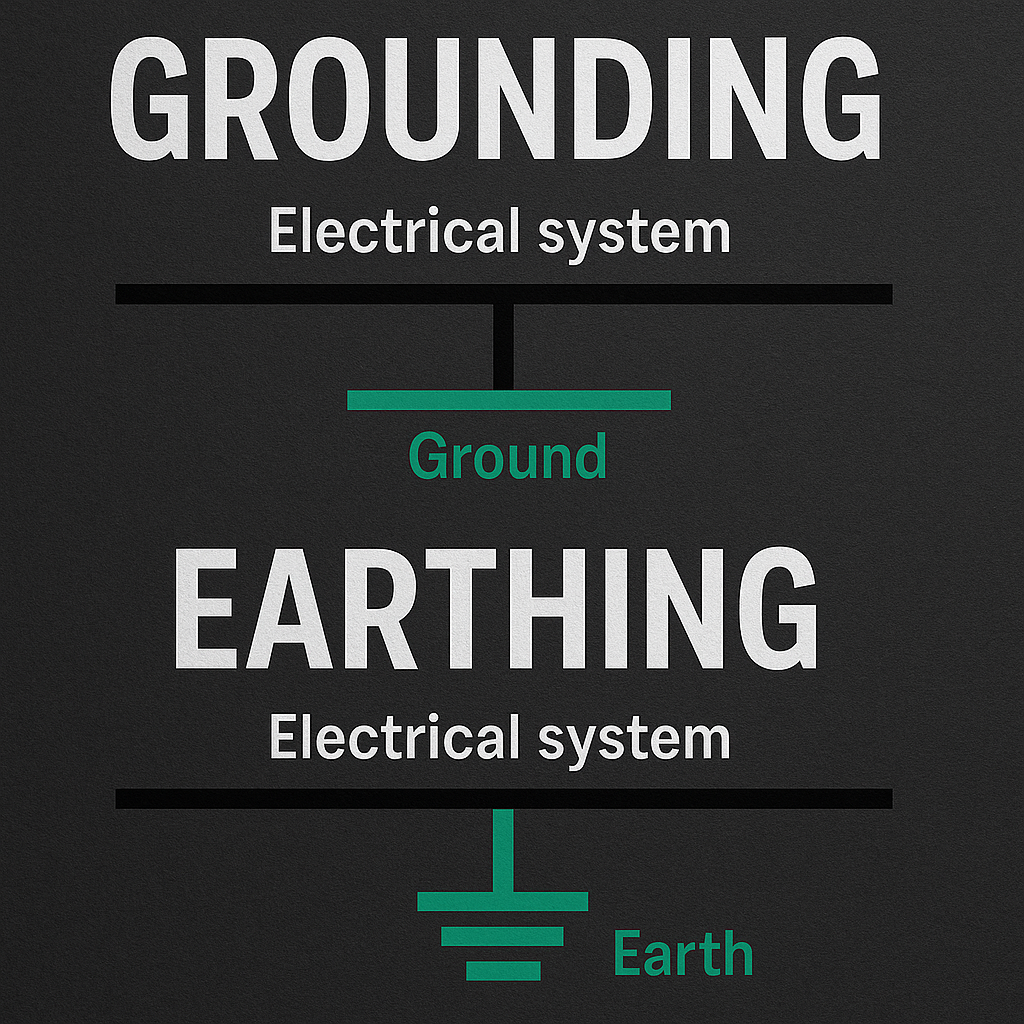
Electrical standards assign identification conventions to certain conductor functions. In common US premises wiring, white or gray identification is associated with the grounded conductor, while green or bare conductors commonly identify equipment grounding functions. That description is not a universal wiring table for every machine, vehicle, control circuit, or country. The applicable system and rules must be identified first. A familiar color on an unfamiliar installation is a reason to consult the documentation, not a reason to skip it.
Intended identity and actual connection can disagree
A previous repair can connect a conductor incorrectly, and damaged or incomplete identification can conceal its intended role. Permitted reidentification in some applications adds another reason to inspect the complete marking rather than one short visible segment. Never assume the person who last worked on the equipment used a consistent convention. A color is a label applied to material; the electrical circuit follows the actual connections. A qualified assessment checks whether the two agree instead of treating the label as a measurement.
Neutral does not mean harmless
A neutral normally carries return current, and faults or open connections can place it at a hazardous potential. A protective conductor can also become hazardous under abnormal conditions. Correctly identifying a wire therefore does not authorize touching it while energized. The safe-work question is whether the relevant sources have been isolated, secured, and verified according to the applicable procedure. Function identification and absence-of-voltage verification serve different purposes, and both may be needed before a task can proceed safely.
Machine wiring adds another layer of context
Industrial equipment can include AC power, DC control supplies, external interfaces, and circuits supplied from another enclosure. Terminal numbers and schematics often provide more specific information than insulation color alone. A control panel main disconnect may not isolate every separately supplied circuit unless the design and procedure account for them. Trace the intended circuit through documentation and qualified verification. Do not build a universal color shortcut from a single machine and carry it to another manufacturer or installation.
Good records reduce future uncertainty
After authorized work, accurate schematics, terminal labels, conductor identification, and service records help the next person understand the installation. Ambiguous or contradictory markings should be corrected through the proper process rather than ignored. For a homeowner reporting a problem, photographs taken without opening energized enclosures and the equipment model can be useful; avoid moving wires to get a better view. For workers, follow the site electrical safety procedure and involve the appropriate qualified personnel when documentation and observations conflict.
What to check before you act
- Identify the country, application, and governing wiring convention.
- Compare color with complete markings and circuit documentation.
- Keep conductor function separate from safe-to-touch status.
- Resolve inconsistent identification before service work proceeds.
Common questions
Is a white wire always a safe neutral?
No. Application, permitted identification practices, errors, and actual connections matter; a neutral itself is not automatically safe to touch.
Can color replace testing before electrical work?
No. The appropriate isolation and verification procedure establishes the electrical condition, not the insulation color.
The practical takeaway
Use color as helpful identification information within a known system. Confirm the actual function and safe work condition through documentation and qualified procedures before relying on that information.
References and further reading
Numerical scenarios are illustrative unless identified otherwise. Follow the exact product instructions; component ratings and local installation requirements can differ.