
An isolated power supply separates electrical circuits across a designed barrier. That is valuable, but the word isolated does not describe every hazard at its output. Output voltage, available energy, insulation ratings, grounding, and the finished installation still need to be considered.
Start by identifying which circuits are separated
Input-to-output isolation means there is no intended direct conductive connection across that barrier. Energy can still cross through a transformer or another designed transfer mechanism. The specification should identify the circuits involved: input to output, output to output, and connections to protective earth are different relationships. Two outputs are not necessarily isolated from one another just because both are isolated from the mains input. A useful block diagram and the manufacturer documentation reveal more than the single word on a listing.
A test voltage is not an operating permission
An isolation withstand test describes performance under specified test conditions and duration. It is not automatically the continuous voltage that may be applied across the barrier in service. Working voltage, insulation classification, environmental conditions, and applicable safety requirements have their own roles. Treating a large test-voltage number as unrestricted operating capability can defeat the purpose of the rating. Component suitability also depends on its use in the complete equipment, including spacing and enclosure arrangements outside the supply itself.
Isolation does not make unlimited output energy harmless
An isolated output can still deliver hazardous voltage, high current, or enough stored energy to damage equipment and cause burns. Even a low-voltage source can overheat a shorted conductor if the available current is large. The barrier addresses one relationship between circuits; it does not erase hazards within the output circuit. Protection, wiring, connectors, and accessible parts must be appropriate to that circuit. Do not infer that exposed terminals are safe to handle simply because the supply has an isolation specification.
Floating and earth-referenced outputs are different arrangements
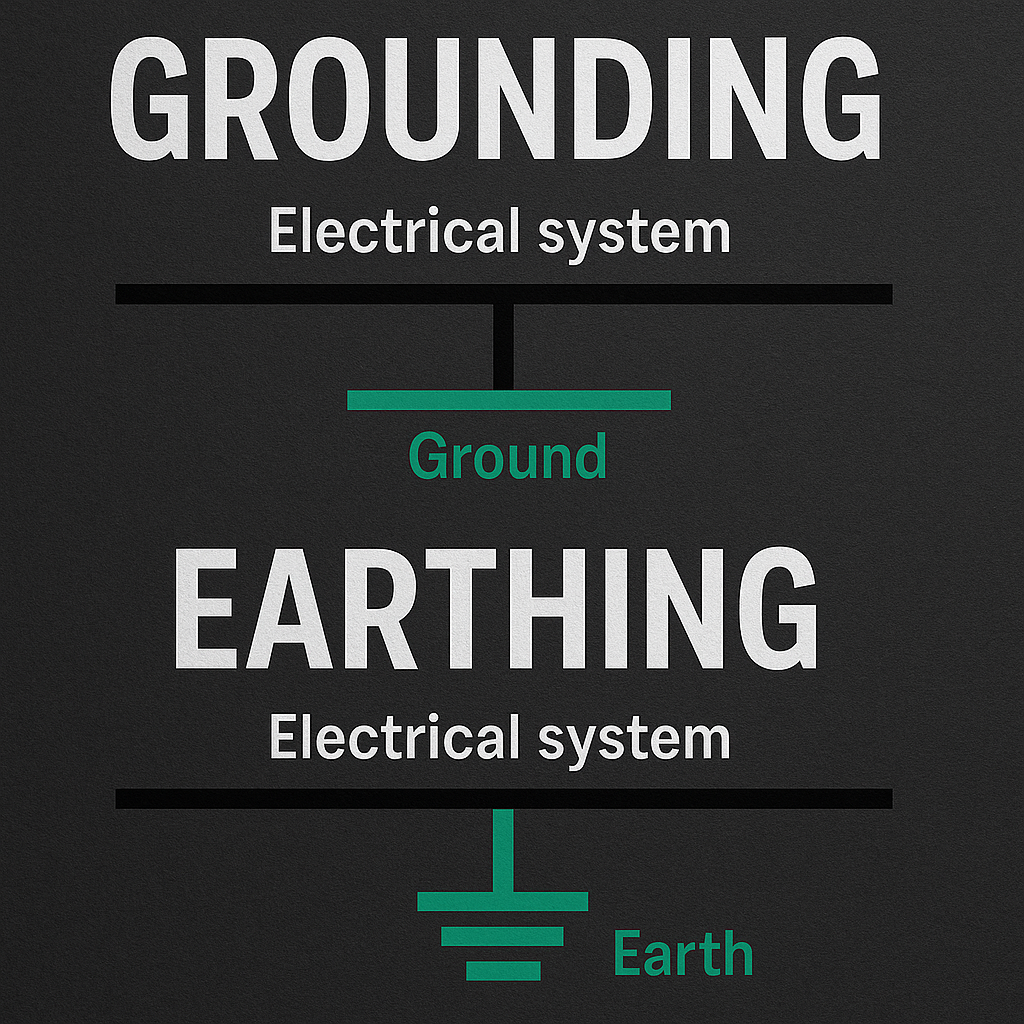
An isolated output may float relative to earth, or the equipment design may reference one side to earth. Signal cables and connected instruments can also establish a reference. For example, connecting two devices can join their common conductors even though each supply contains an input-to-output barrier. That connection changes the system relationship without necessarily damaging the barrier itself. Follow the equipment grounding instructions; do not add or remove bonds, lift protective earth, or improvise connections to solve a noise complaint.
Evaluate the finished system rather than one component
A supply with suitable approvals is an important starting point, but installation details still matter. Other cables can cross the intended boundary, terminals may remain accessible, and mounting can affect clearances or protective connections. Service work should preserve the original insulation and grounding arrangements. If the isolation requirement is unclear, obtain the exact model documentation and qualified design advice. A continuity check alone cannot certify an insulation barrier or establish compliance under voltage, temperature, and fault conditions.
What to check before you act
- Identify exactly which circuits the isolation rating covers.
- Separate withstand-test voltage from working-voltage limits.
- Assess output voltage and available energy independently.
- Preserve the documented protective-earth and signal-ground arrangement.
Common questions
Does isolated always mean the output floats?
No. A system may intentionally reference an isolated output to earth through its documented design.
Can a low-voltage isolated output cause damage?
Yes. Available current and stored energy can still overheat conductors or damage connected equipment.
The practical takeaway
Isolation is a specific engineered barrier. Read its scope and ratings, then assess the complete output circuit and installation instead of treating the word as a universal safety claim.
References and further reading
Numerical scenarios are illustrative unless identified otherwise. Follow the exact product instructions; component ratings and local installation requirements can differ.