
A power tool with two plug pins is not necessarily missing a ground connection. Approved double-insulated equipment uses a different protective construction from equipment that relies on protective grounding. The distinction comes from the product design and markings, not from counting pins or assuming a plastic housing makes any tool safe.
Protective grounding is one design approach
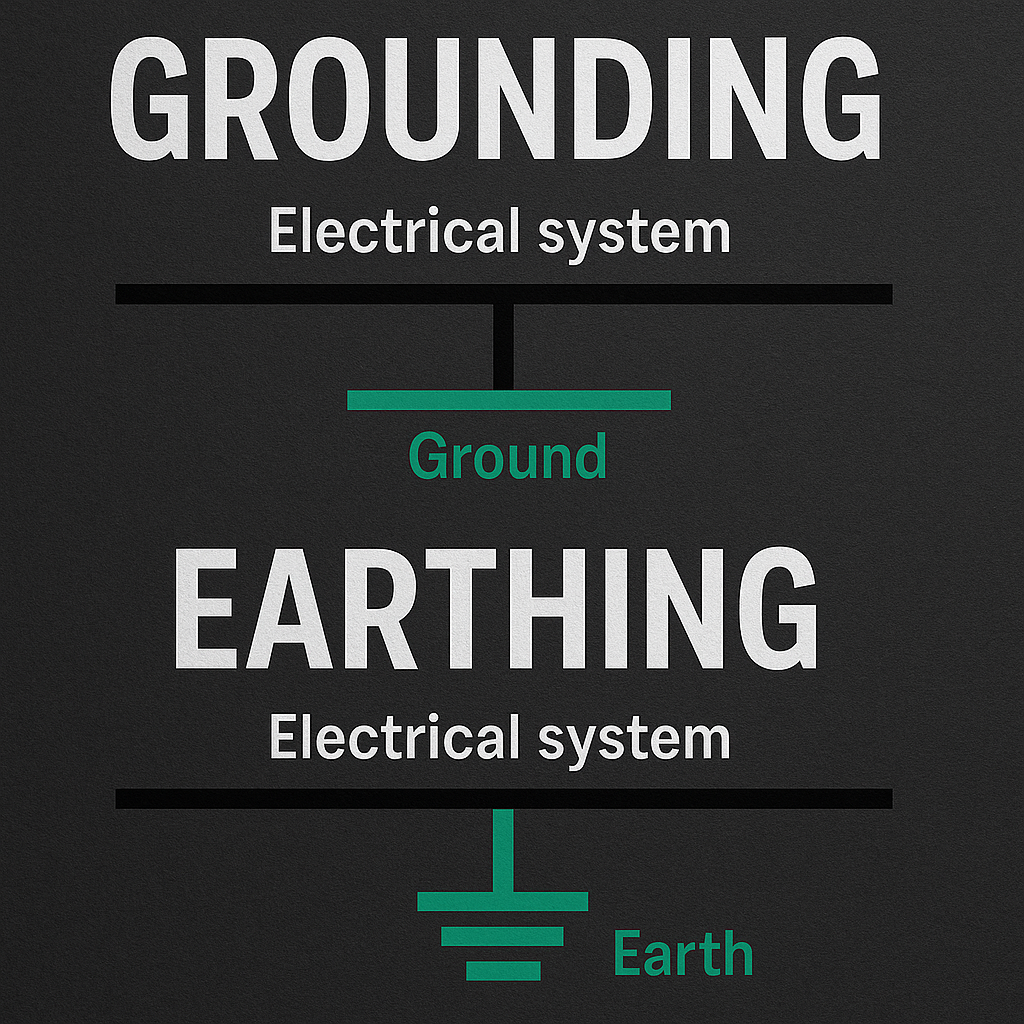
In equipment designed to use protective grounding, accessible conductive parts are connected through the intended protective conductor arrangement. That connection helps manage an insulation fault in coordination with circuit protection. Removing its ground pin changes the safety design. A tool that originally had a grounding plug does not become double-insulated when the pin is cut off, the cord is replaced, or the housing is covered with tape. Its original construction and certification remain the relevant evidence.
Double insulation uses a different protective construction
Class II or double-insulated equipment uses double or reinforced insulation as specified by its applicable design requirements. It does not depend on a protective-earth connection in the same way as Class I equipment. The familiar square-within-a-square symbol is associated with Class II construction. Read the actual product label and manual because terminology and markings vary by market. A two-pin connector alone is not enough: other equipment classes and connector arrangements also exist, and appearance cannot reveal the full internal protection.
An intact enclosure is only part of the story
The insulation system includes more than what you can see from outside. Cord condition, internal barriers, spacing, assembly, and approved replacement components can all matter. A cracked housing, damaged cable, missing fastener, or unauthorized repair deserves attention even when the tool still runs normally. Do not infer safety from successful operation. The motor only needs an electrical path to turn; that says little about whether the protective construction remains intact under a fault or in a harsh environment.
Water and misuse remain important hazards
Double insulation does not make a corded tool suitable for immersion, rain, or any wet location. Its environmental suitability must be separately specified. OSHA also describes conditions in which double-insulated equipment can still present shock hazards. Follow the tool instructions and applicable ground-fault protection requirements. If equipment falls into water, do not grab it while energized. Disconnect the supply safely without contacting the water or equipment, and obtain appropriate assistance when safe isolation cannot be established.
Preserve the original safety design during service
Use the approved cord and parts and the manufacturer service procedure. Improvised grounding of a double-insulated product is not a substitute for repairing damaged insulation, and removing grounding from another tool is not an equivalent conversion. For a questionable used tool, identify the model and inspect its condition before use. Have repairs assessed by someone qualified for that equipment. The meaningful distinction is whether the complete protective design is appropriate and intact, not which plug looks more substantial.
What to check before you act
- Identify the product class from its label and manual.
- Never remove a required grounding pin.
- Check cord, housing, and approved environmental use.
- Preserve the specified insulation system during repair.
Common questions
Does a plastic case prove a tool is double-insulated?
No. The approved construction and markings determine that classification, not the outer material alone.
Does double insulation eliminate the need for GFCI protection?
No. Additional protection requirements depend on the application and location; the functions address different aspects of safety.
The practical takeaway
Two pins can be intentional when the product has an approved protective construction that does not require grounding. Verify that construction and preserve it; never use pin count as a universal safety test.
References and further reading
Numerical scenarios are illustrative unless identified otherwise. Follow the exact product instructions; component ratings and local installation requirements can differ.