
A ground loop can introduce hum when connected audio equipment has multiple conductive paths between reference points. The cure is an appropriate signal-interface arrangement and diagnosis. Removing a required mains safety ground can hide noise while creating a shock hazard, so it is not an acceptable audio repair.
Small reference differences can enter the audio path
Connected devices can have more than one path between them through audio shields, protective grounding, and other cables. Voltage differences and circulating currents can then couple into the wanted signal, particularly in unbalanced interfaces. The audible result often includes mains-frequency hum or related harmonics. That pattern suggests a possible mechanism but does not prove it. Power-supply ripple, magnetic pickup, damaged cables, and other faults can also produce hum, so diagnosis must separate causes before choosing a solution.
Signal reference and protective earth have different jobs
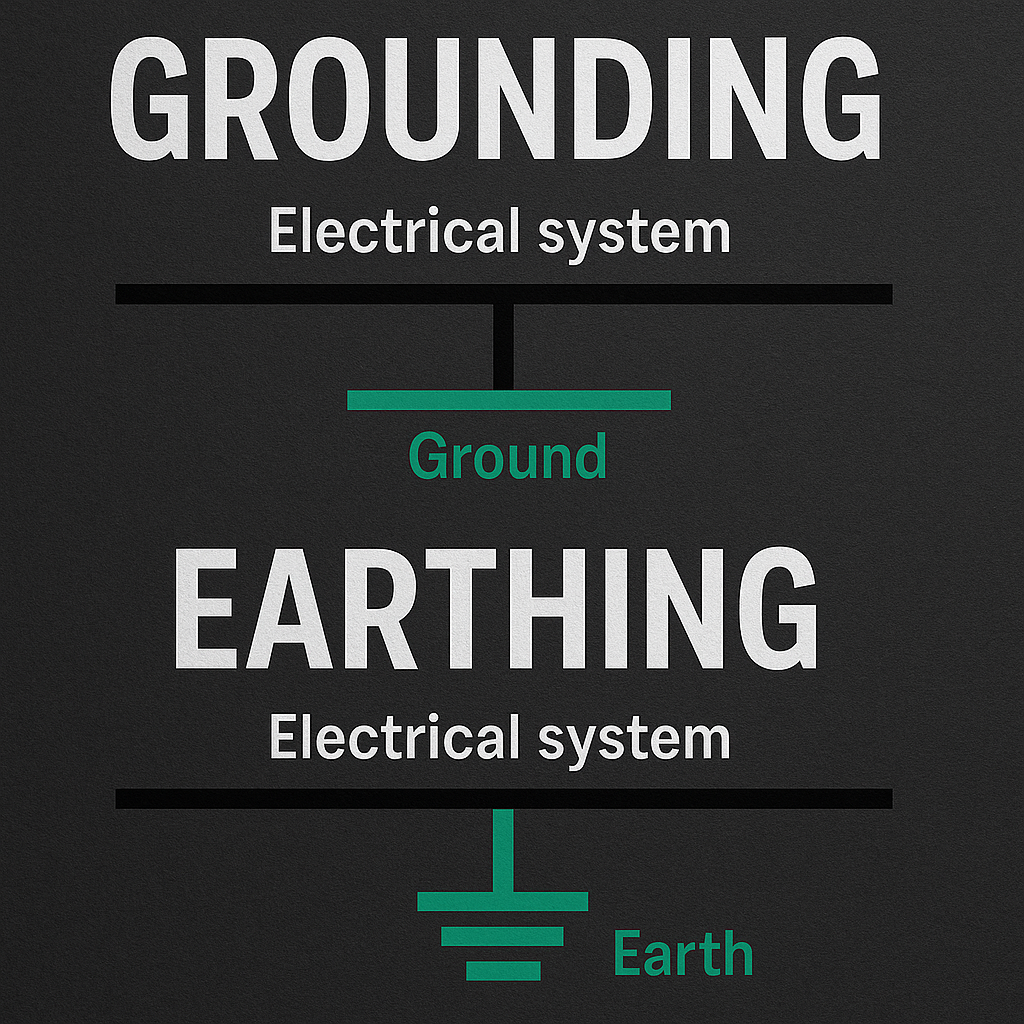
An audio shield or signal-reference arrangement is part of signal handling. A mains protective-earth connection is part of the equipment safety design. Some audio devices provide a documented signal ground-lift function, but that is not permission to remove the protective conductor from the power cord. Never cut off a ground pin or use an adapter to defeat required grounding. The fact that a noise disappears after an unsafe change does not make the change an acceptable permanent fix.
Balanced interfaces can reduce reference-noise sensitivity
A correctly implemented balanced connection lets the receiver reject noise appearing similarly on its two signal conductors. That helps reduce certain interference problems when the source, cable, and input are compatible. An XLR-shaped connector or a three-contact plug alone does not guarantee the interface is balanced. Follow the equipment documentation and use the proper cable wiring. Do not assume an adapter converts every unbalanced source into a balanced system with the same noise rejection as a correctly designed interface.
Suitable audio isolation can break a signal-path loop
An audio isolation transformer or appropriate interface can provide signal transfer without the same direct conductive signal connection between devices. The product must suit the signal level, impedance, bandwidth, and connectors in the application. A small microphone transformer and a line-level isolator are not interchangeable assumptions. Use a purpose-built, approved solution rather than modifying mains wiring. Other connections, such as a computer link or antenna feed, may still provide a path that needs to be included in the assessment.
Simplify the system safely to identify the change
Turn equipment down and follow its connection procedure before adding or removing signal cables. Document which connection introduces the noise and whether the source, interface, or amplifier contributes when operated in a supported simpler configuration. Keep required grounding intact throughout. Do not change several connections at once and then guess which mattered. If hum is accompanied by tingling, shocks, abnormal heat, damage, or other safety symptoms, stop using the equipment and arrange qualified electrical assessment rather than treating it as an ordinary audio nuisance.
What to check before you act
- Keep every required mains protective-earth connection intact.
- Identify the signal connection that changes the noise.
- Use compatible balanced interfaces or suitable audio isolation.
- Escalate shocks, tingling, damage, or abnormal heat for qualified assessment.
Common questions
Is an audio ground-lift switch the same as removing a ground pin?
No. Use only the product documented signal function; never remove a required protective-earth connection.
Does mains-frequency hum prove there is a ground loop?
No. It is a useful clue, but power-supply and coupling problems can produce similar noise.
The practical takeaway
Solve hum in the signal system with suitable interfaces and a controlled diagnosis. Preserve the electrical safety connections that protect the user, even when an unsafe shortcut appears to quiet the speakers.
References and further reading
- Shure: Audio noise causes and diagnosis
- Shure-hosted technical paper: Ground loops and signal isolation
Numerical scenarios are illustrative unless identified otherwise. Follow the exact product instructions; component ratings and local installation requirements can differ.