
A smart switch needs power for its electronics even when the light is off. Some models use a neutral connection to provide that supply path independently of the lamp. Whether your installation supports that model is an electrical compatibility question, not just a question of whether it fits the wall plate.
A mechanical switch and a smart switch have different needs
A simple mechanical switch can open or close a lighting circuit without continuously powering a radio or processor. A smart device needs enough standby power to receive commands, maintain its state, and operate its control electronics. That power must come through a designed path. A neutral-based model can use its line and neutral connections for the electronics while separately controlling the load. The exact terminals and supported wiring arrangements depend on the product; do not infer them from the front buttons or the app features.
A switch box does not necessarily contain a usable neutral
Existing lighting wiring can place different conductors in different locations. Seeing several wires or a white-insulated conductor does not establish that the box has the neutral required by the new device. Conductor identification and circuit relationships must be verified appropriately, especially in older or modified installations. Do not rely on color alone or borrow a neutral from another circuit. Have a qualified electrician establish compatibility and install the device according to its instructions and applicable local requirements.
No-neutral products use a different supported design
Some smart controls are specifically designed to operate without a neutral at the control location. Their electronics may obtain power through a path involving the load, which makes lamp compatibility and minimum-load behavior important. Battery-powered remote controls offer another architecture but do not directly replace every wired switching function. Choose among documented product types rather than trying to make a neutral-required device behave like a no-neutral model. The absence of a terminal on one product does not justify omitting it on another.
Protective earth is not a substitute return conductor
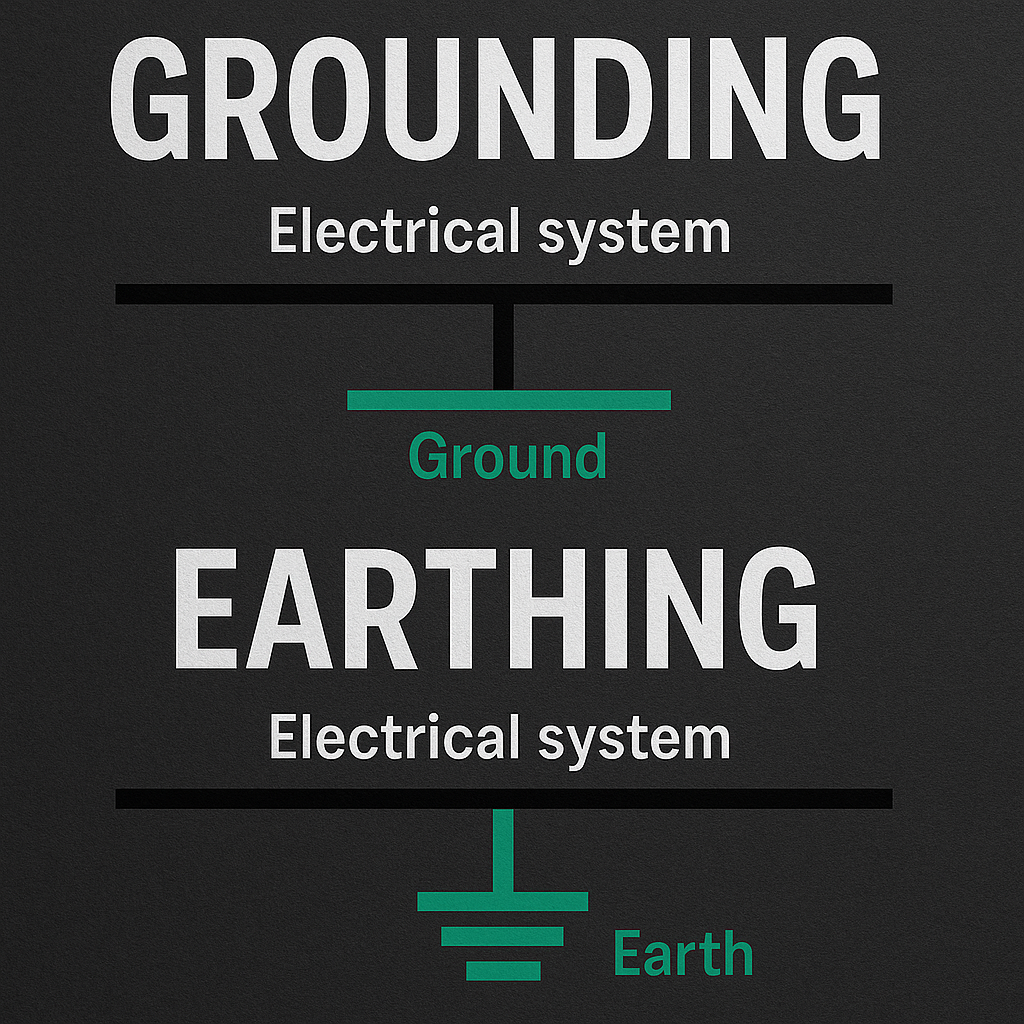
The protective grounding arrangement has a safety role and must not be improvised as the normal operating return for a device that requires neutral. A smart switch needing neutral does not authorize a connection to a grounding conductor instead. Likewise, modifying the device or bypassing its required wiring can defeat the intended safety design. If the box does not support the selected product, use an appropriate approved alternative or have the installation assessed for a proper wiring solution.
Check load and control compatibility alongside the neutral requirement
A device that has the necessary supply conductors can still be wrong for the load. Dimming method, LED compatibility, minimum and maximum load, multi-location control, enclosure fit, and temperature conditions can all matter. Lutron documentation illustrates how neutral requirements and load specifications vary between models. Read the exact model instructions and compatible-lamp guidance before purchase or installation. A successful Wi-Fi pairing says nothing about whether the electrical load and wiring arrangement meet the product requirements.
What to check before you act
- Confirm the exact model neutral and wiring requirements.
- Have conductor identity and circuit compatibility properly verified.
- Never substitute protective earth for a required neutral.
- Check LED, dimming, and multi-location compatibility as well.
Common questions
Why does a smart switch need power when the light is off?
Its receiver and control electronics must remain able to process commands or perform their intended standby functions.
Can I ignore the neutral terminal if the switch seems to work?
No. Required connections must follow the exact product instructions; apparent operation does not establish a safe installation.
The practical takeaway
The neutral requirement follows the smart control power architecture. Select a product that matches the verified wiring and load, and use qualified installation rather than improvising a missing connection.
References and further reading
Numerical scenarios are illustrative unless identified otherwise. Follow the exact product instructions; component ratings and local installation requirements can differ.