
A balanced audio connection can reject interference that appears similarly on its two signal conductors. That benefit depends on the source, cable, and receiving input working together. A three-pin connector or a cable sold as balanced does not make every connection balanced by itself.
The receiver measures a difference
A differential receiving input responds to the difference between its two signal inputs. Noise that arrives similarly on both can be rejected rather than amplified as wanted audio. As an illustrative example, adding the same 0.1-volt disturbance to both inputs leaves their mathematical difference unchanged. Real circuits reject common-mode signals imperfectly and only within their operating limits. The example explains the principle; it does not promise complete silence in a real cable exposed to unlimited interference.
Impedance balance is central to the result
The two signal paths need an appropriate balance of impedance to their surroundings for interference to couple similarly. This is why balanced does not strictly require equal and opposite signal voltages at the source in every implementation. An impedance-balanced output can preserve useful rejection with a different signal arrangement. Follow the equipment documentation rather than judging the interface from a simplified waveform sketch. The source, line, and receiver all contribute to how much interference becomes an unwanted differential signal.
Connector shape does not identify the signal
A three-contact jack can carry balanced mono audio, unbalanced stereo audio, or another function depending on the equipment. XLR connectors also have uses beyond one familiar microphone wiring arrangement. Connecting a headphone stereo output to a balanced mono input through an unsuitable adapter can produce unexpected cancellation or channel behavior. Check the actual pinout and intended signal level. A cable cannot infer what each device means by its contacts, so mechanical compatibility is only the first connection check.
The shield has a separate supporting role
A cable shield can help manage electric-field interference and reference arrangements, while twisting helps the conductors experience similar coupling. Neither feature substitutes for correct interface design and wiring. A broken conductor, poor termination, unsuitable adapter, or excessive interference can reduce the benefit. Do not remove a mains protective-earth connection to cure noise. Use manufacturer-supported signal cabling and appropriate audio isolation where needed, keeping equipment safety connections intact. Signal troubleshooting should never turn into improvised mains wiring.
Diagnose the complete path at a sensible level
Turn levels down and follow the equipment connection procedure before changing cables. Verify the source output type, destination input type, cable pinout, and supported signal level. A balanced microphone input and a balanced line input can still need very different levels and powering arrangements. Test with a known suitable cable and a supported simpler configuration if the manual allows it. Record the specific connection that changes the noise rather than replacing every cable or assuming all interference originates in the longest run.
What to check before you act
- Check the source, receiver, pinout, and signal level together.
- Distinguish balanced mono from unbalanced stereo connections.
- Preserve impedance balance with suitable wiring and adapters.
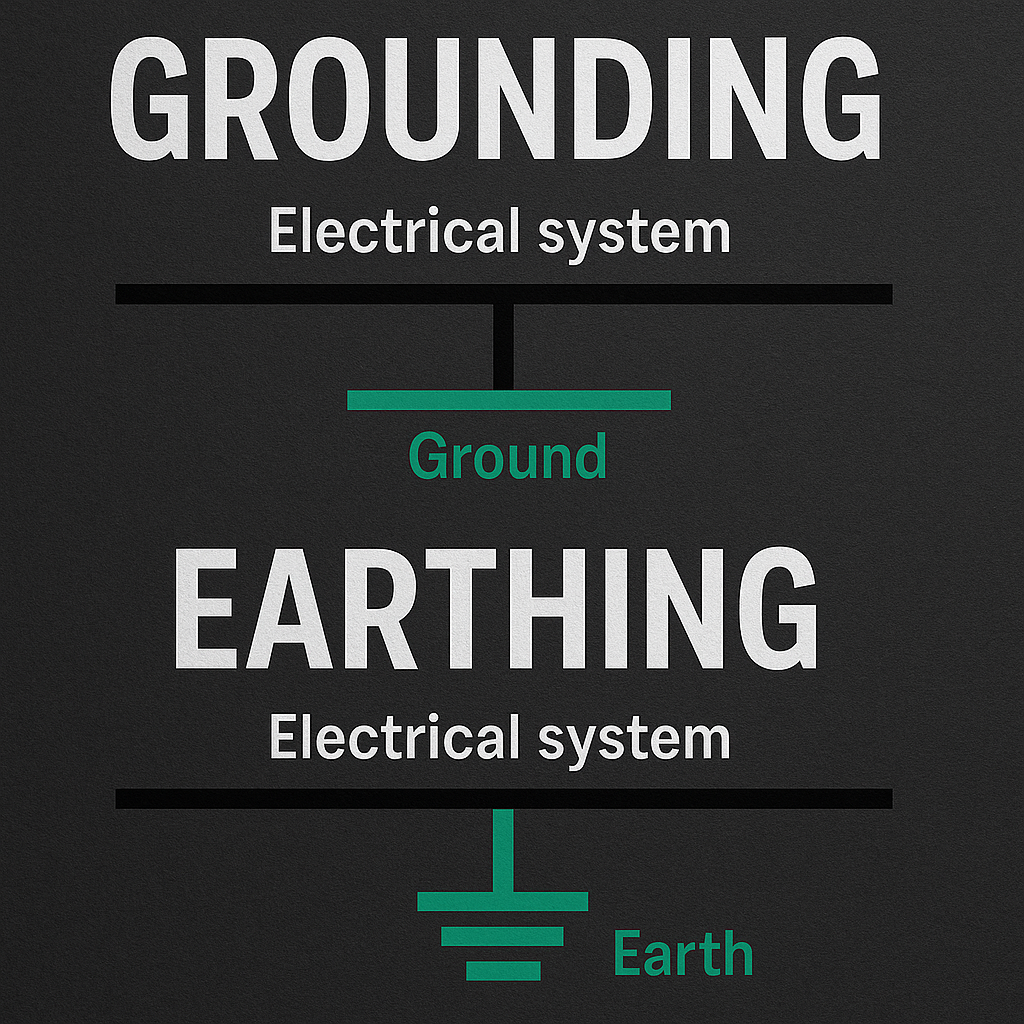
- Keep required mains grounding intact during noise diagnosis.
Common questions
Does an XLR connector guarantee balanced audio?
No. The actual circuitry and pin functions determine the interface; the connector shape alone does not.
Must both conductors carry opposite audio voltages?
Not in every balanced output design. Impedance balance and the receiving arrangement are central to common-mode rejection.
The practical takeaway
Balanced audio is a property of an interface, not a cable label alone. Correctly matched equipment and wiring make the noise-rejection principle useful in practice.
References and further reading
- Shure-hosted technical paper: Balanced interfaces and ground loops
- Shure: Balanced-input operation in audio systems
Numerical scenarios are illustrative unless identified otherwise. Follow the exact product instructions; component ratings and local installation requirements can differ.