

A three-light outlet tester can reveal several common wiring problems, but a correct-looking pattern is not a complete electrical inspection. The instrument observes a limited set of relationships at the receptacle. It cannot prove every hidden connection, protective path, or operating condition from those lights alone.
The indicator pattern comes from a limited measurement
A simple receptacle tester connects indicating circuits between the outlet contacts. The resulting lights correspond to combinations described on its legend. That can make it a useful screening tool for common missing or reversed connections. It is not looking through the wall or identifying each conductor along its complete route. Different underlying faults can sometimes produce similar indications. Read the manual for the exact model because detection coverage, voltage range, and additional functions vary between products.
Correct-looking does not mean every grounding detail is correct
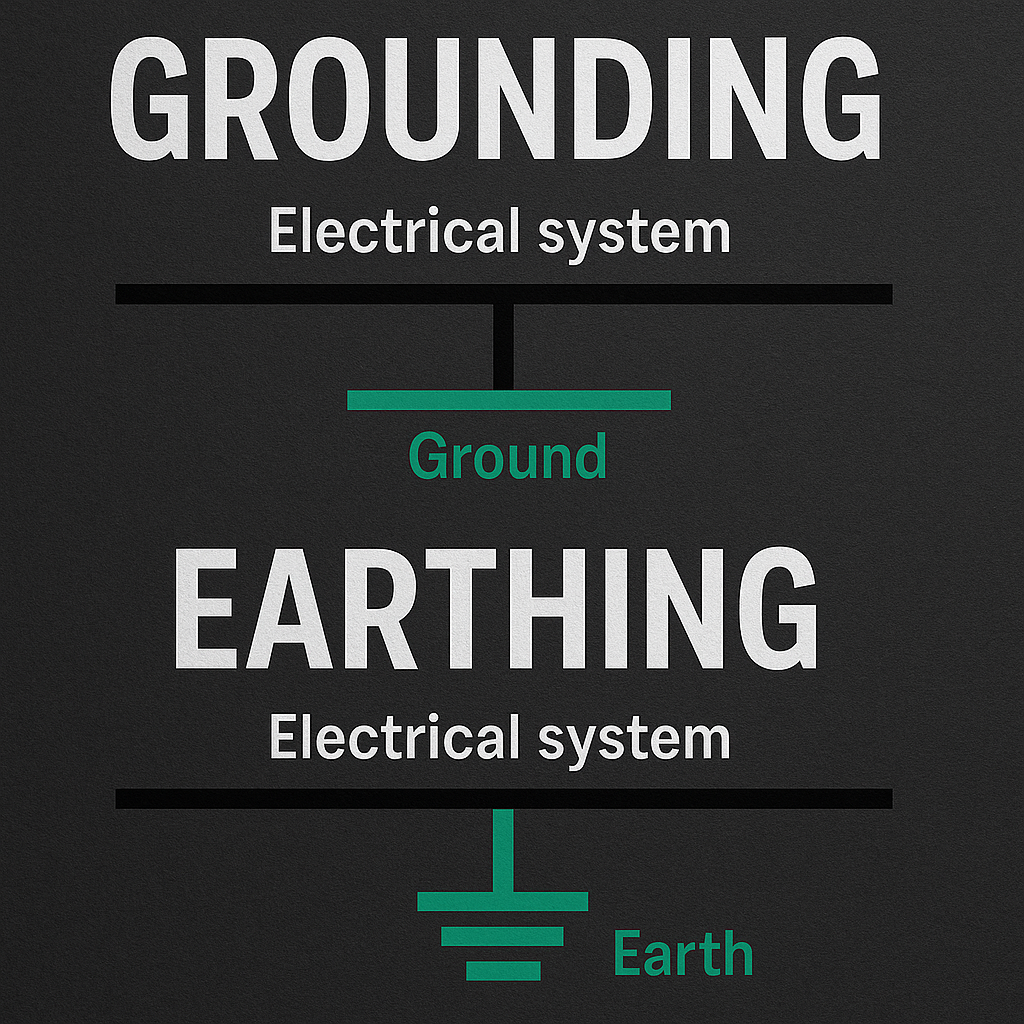
Basic indicator testers have known limitations around the quality and arrangement of grounding and neutral connections. An indication alone cannot establish the impedance and integrity of the complete protective path under a fault. Nor does it prove that neutral and grounding conductors are separated everywhere they should be. Do not create or alter connections to experiment with the lights. A qualified electrician uses the appropriate inspection and instruments to investigate suspicious conditions and verify the installation beyond the tester basic screening capability.
The tester does not reproduce a full appliance load
A small indicating circuit can operate through a connection that behaves differently when substantial current flows. An outlet can show an apparently normal pattern and still develop excessive voltage drop or heat under load. Conversely, an unexpected pattern is useful evidence that needs interpretation, not a complete fault-location report. Do not use high-power appliances as improvised test loads to provoke a problem. Persistent warmth, discoloration, intermittent operation, or damage deserves assessment even when an inexpensive tester reports the expected pattern.
A GFCI test feature has its own conditions
Some plug-in testers include a GFCI test button. Its operation and requirements are described in the manual and can differ from the protective device own built-in test function. A missing grounding path, for example, can affect certain external test arrangements. That does not authorize adding a makeshift ground connection to make a test work. Use the manufacturer procedure for the actual protective device and the specified instrument procedure. Distinguish a test-method limitation from a proven failure of the GFCI itself.
Use the result as a starting point for a clear report
Record the tester model, exact indicated pattern, outlet location, and any related symptoms. Compare the result with that model legend rather than a diagram for another instrument. Do not insert a tester into a visibly damaged, wet, loose, or overheated receptacle. If the result is abnormal or inconsistent, arrange qualified investigation. When the result is normal, describe it accurately as no listed fault indicated by that test, rather than declaring the entire circuit or building safe.
What to check before you act
- Read the exact model limitations and indicator legend.
- Treat the result as screening rather than complete certification.
- Keep load behavior and grounding integrity checks separate.
- Report abnormal patterns and physical symptoms for qualified assessment.
Common questions
Can a basic tester prove the ground can clear a fault?
No. Its lights do not establish the complete protective-path performance under fault conditions.
Can a normal pattern rule out a loose connection?
No. A low-current indication does not reproduce every connection condition under an appliance load.
The practical takeaway
A three-light tester is useful when its scope is respected. It can identify common problems quickly, while a passing pattern leaves several important questions for proper inspection and testing.
References and further reading
Numerical scenarios are illustrative unless identified otherwise. Follow the exact product instructions; component ratings and local installation requirements can differ.