

An online double-conversion UPS can keep its inverter supplying the load as the input source changes to battery. That is a useful capability, but it is not unlimited protection against every electrical event or equipment failure. Operating mode, bypass behavior, load capacity, battery condition, and installation design still define the practical result.
Double conversion describes the normal energy path
In the intended online mode, incoming AC is converted to DC and the output inverter creates AC for the protected load. The battery connects into the supported DC energy path. That arrangement lets the inverter continue supplying the load when acceptable mains input disappears, within the product limits. It is different from a standby arrangement that normally feeds the load from mains and changes paths during an interruption. The topology describes operation; it does not specify every performance detail.
Zero transfer time belongs to a particular transition
A product statement about zero transfer time typically concerns the supported transition from normal online operation to battery operation. It should not be stretched into a promise that the output can never be interrupted. Faults, battery exhaustion, overload, maintenance, or transfer into another operating mode can change the situation. Read the conditions attached to the specification. A UPS is an engineered system with defined states, not a permanent source of energy independent of everything connected to it.
Bypass can change what supplies the equipment
Many online units have a bypass path that can support the load under specified conditions or during service. When the load is on bypass, it may no longer receive the same conversion and battery-support behavior as normal online operation. High-efficiency modes can also alter the normal energy path. Check the active mode on the display or management interface and understand why it changed. Do not assume that a powered output always means the system is operating in its advertised online mode.
The inverter and battery still have finite ratings
An online unit must stay within its watt, VA, starting-load, thermal, and installation requirements. It also needs enough usable battery energy for the required duration. In an illustrative case, a 1kW continuous output limit does not become 2kW because the source is double-conversion. An approved larger battery can extend duration without increasing inverter capacity. Choose the complete configuration using the load profile and runtime data, rather than treating the topology name as a substitute for sizing.
Reliability depends on a maintained plan
Batteries age, fans and electronics need the prescribed environment, and alarms need attention. Configure orderly shutdown and monitor relevant events. For important services, plan maintenance and failure response with qualified personnel, including any supported bypass or redundancy arrangement. Do not make internal changes or assume a second UPS can simply be connected in parallel. Verify the exact supported design and test procedure so routine service does not create the interruption the system was intended to prevent.
What to check before you act
- Confirm the active operating mode and its transfer behavior.
- Understand bypass and high-efficiency modes before relying on them.
- Size watts, VA, surge demand, and runtime independently of topology.
- Maintain batteries, monitoring, cooling, and an orderly shutdown plan.
Common questions
Does online mean the UPS needs the internet?
No. Here it describes the electrical operating topology, not a network connection.
Does double conversion provide electrical isolation automatically?
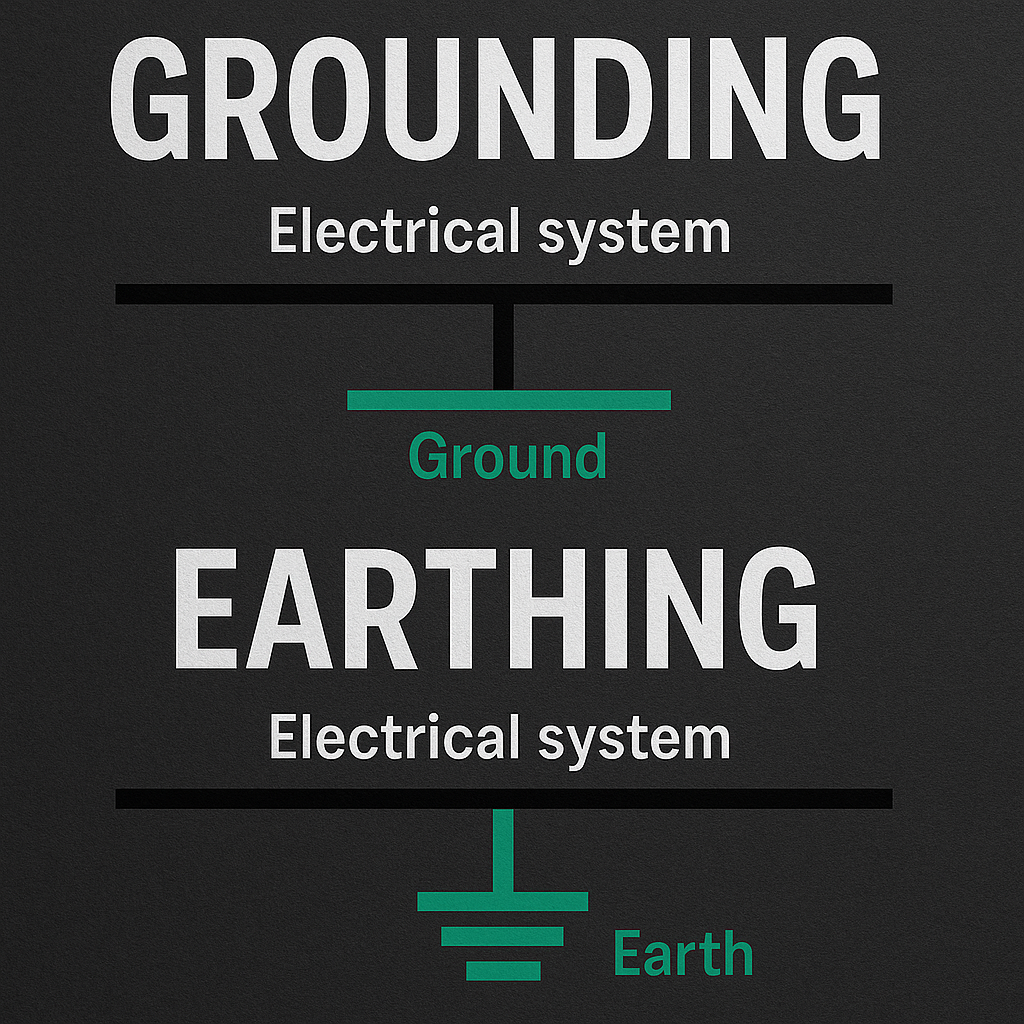
Do not assume so. Galvanic isolation and grounding characteristics depend on the specific design and must be checked separately.
The practical takeaway
An online UPS controls the output through a useful conversion path, but its protection remains conditional. Know the current mode and the complete ratings before treating the equipment as continuously protected.
References and further reading
- Eaton: Online double-conversion operation and specifications
- Schneider Electric: UPS operating modes
Numerical scenarios are illustrative unless identified otherwise. Follow the exact product instructions; component ratings and local installation requirements can differ.